Triassic Period
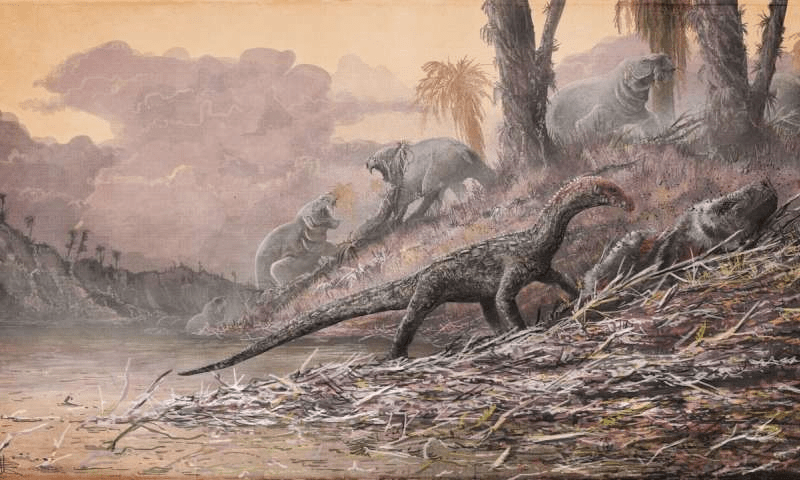
Artwork By Mark Witton
The Early Triassic (247–252 million years ago) came right after the devastating Permian–Triassic extinction, the largest mass extinction in Earth’s history.
Life on land and in the seas was slow to recover, with low biodiversity and harsh, hot, and dry climates.
Early ancestors of dinosaurs and crocodiles began to appear, alongside small amphibians and reptiles.
The Middle Triassic (237–247 million years ago) marked a period of recovery and expansion. The first true dinosaurs appeared, along with early pterosaurs that would later dominate the skies.
The climate became more stable and warmer, allowing vegetation to spread in some regions.
Large marine reptiles such as nothosaurs thrived in the oceans, while on land, new herbivorous and carnivorous reptiles diversified.
The Late Triassic (201–237 million years ago) saw dinosaurs become more widespread, though they still shared dominance with other large reptiles.
The first small, nocturnal mammals evolved from therapsid ancestors during this time. Pangaea began to slowly break apart, triggering volcanic activity and climate changes.
This period ended with the Triassic–Jurassic extinction event, which wiped out many competing reptile groups.
Key Facts:
- Early dinosaurs evolved around 233 million years ago and remained minor players in ecosystems dominated by crocodile-like predators.
- These dinosaurs were typically small, agile, and bipedal. Their growth rates were rapid even in early species.
- Some dinosaur ancestors evolved with bizarre adaptations—sail-backs, elongated necks, or armored bodies.
- Tiny, shrew-like creatures evolved from synapsids during the late Triassic, beginning the lineage that would survive all mass extinctions.
- Gymnosperm forests like conifers re-established themselves across Pangaea, providing habitats for evolving terrestrial life.
Jurassic Period
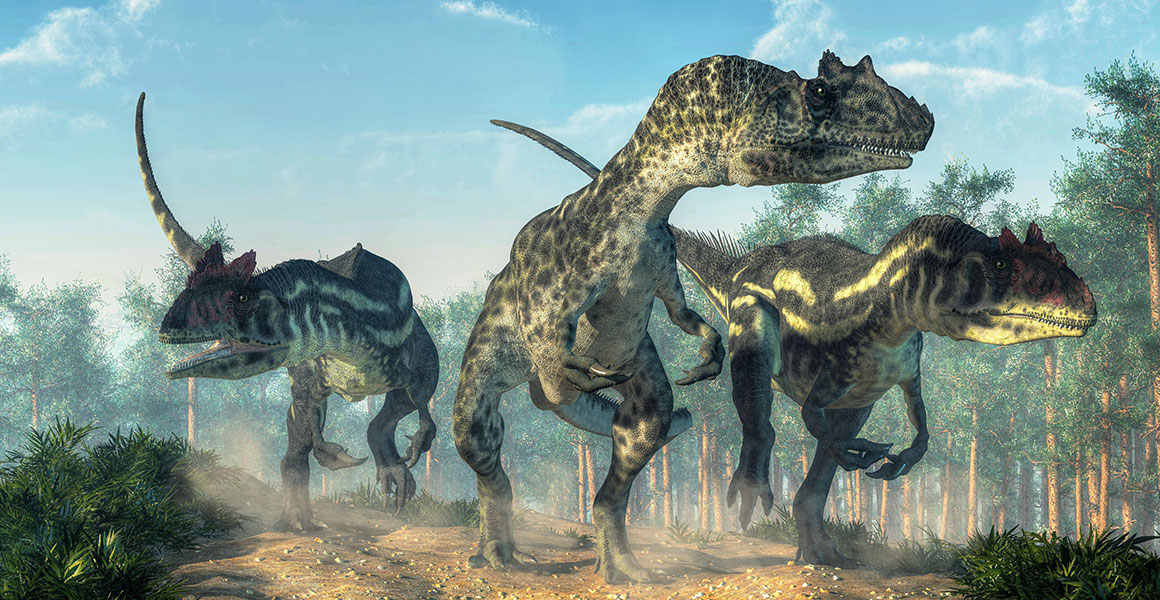
Artwork By Daniel Eskridge
The Early Jurassic (174–201 million years ago) began after the Triassic–Jurassic extinction, which cleared the way for dinosaurs to become the dominant land animals.
The supercontinent Pangaea started to split into Laurasia in the north and Gondwana in the south.
Early sauropods such as Vulcanodon and Barapasaurus roamed, while theropods like Dilophosaurus hunted on land.
The Middle Jurassic (163–174 million years ago) was a time of rapid dinosaur diversification.
The first true crocodiles and marine reptiles like pliosaurs grew larger and more specialized.
Warm, humid climates encouraged the spread of lush forests filled with conifers, ferns, and cycads, creating rich habitats for herbivores and predators alike.
The Late Jurassic (145–163 million years ago) saw the peak of sauropod dominance, with massive species roaming in herds across floodplains.
Predators like Allosaurus and Ceratosaurus ruled the land, while the first birds, such as Archaeopteryx, appeared.
In the seas, giant marine reptiles and swarms of ammonites were abundant. By the end of the Jurassic, the continents continued drifting apart.
Key Facts:
- Pangaea began breaking into Laurasia and Gondwana, which caused shallow seas to form, supporting a boom in plant and animal diversity.
- Dense vegetation took over the land, creating ideal conditions for enormous plant-eating animals.
- Carnivores became faster, stronger, and better adapted for hunting in diverse terrains.
- Life in the oceans boomed, with large marine reptiles and shelled creatures filling the seas.
- A wide variety of species evolved rapidly, creating more specialized roles in ecosystems.
Cretaceous Period
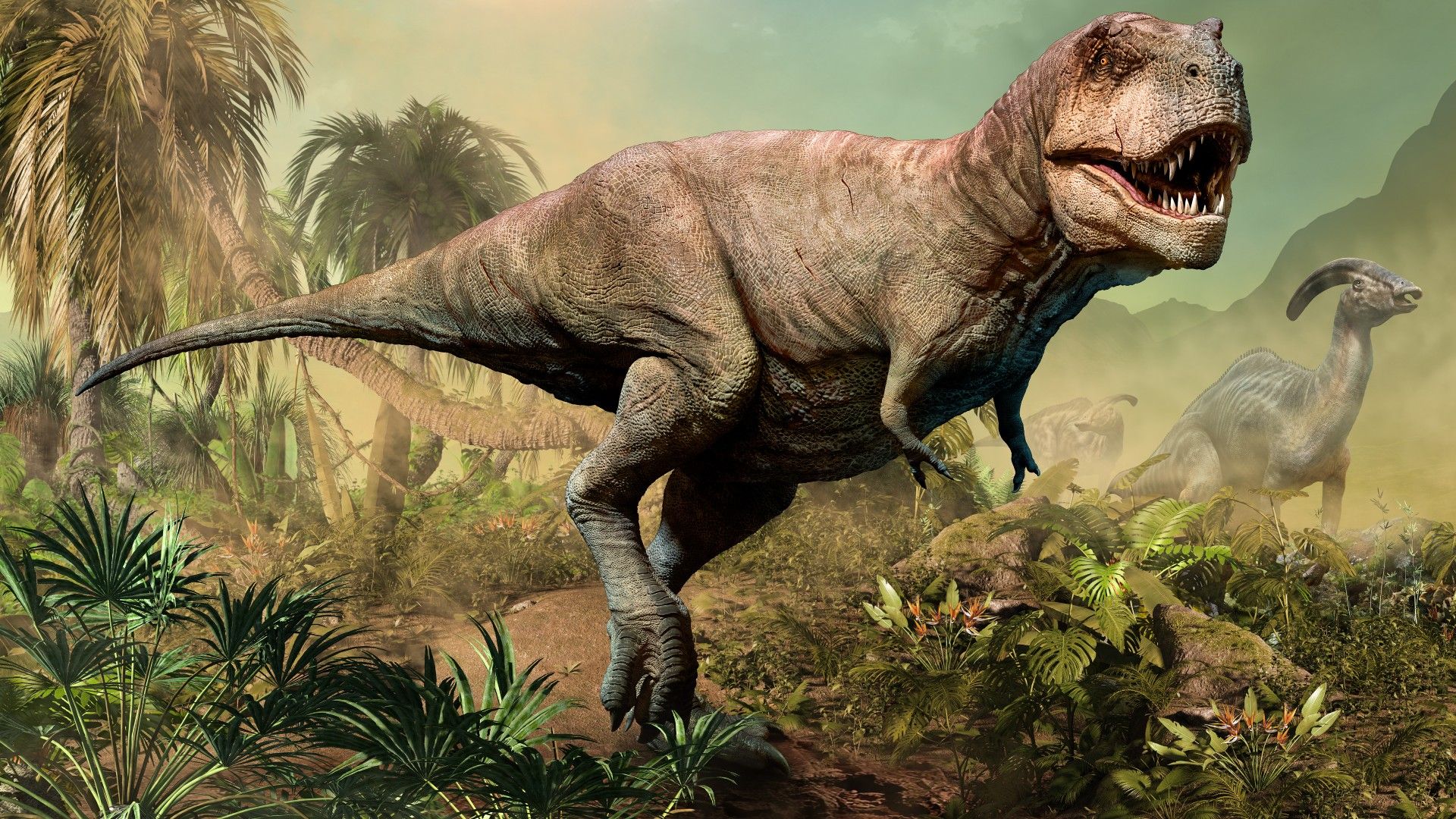
Artwork By Warpaintcobra
The Early Cretaceous (100–145 million years ago) was a time of continued continental breakup, with Gondwana and Laurasia fragmenting into smaller landmasses.
Warm climates supported vast forests of conifers, ferns, and the earliest flowering plants (angiosperms), which began to transform ecosystems.
Dinosaurs like Iguanodon, Baryonyx, and early ceratopsians appeared, while massive sauropods such as Argentinosaurus thrived in the southern continents.
The Middle Cretaceous (89–100 million years ago) saw high global sea levels, flooding large parts of the continents and creating shallow inland seas teeming with marine life.
Flowering plants became widespread, supporting new groups of herbivorous dinosaurs such as hadrosaurs and ankylosaurs.
Giant predators like Carcharodontosaurus and Spinosaurus ruled the land, while pterosaurs like Pteranodon soared through the skies. The climate was generally warm and stable.
The Late Cretaceous (66–89 million years ago) was the final age of the dinosaurs. Iconic species such as Tyrannosaurus rex, Triceratops, and Velociraptor dominated their environments.
Vast herds of hadrosaurs roamed floodplains, while apex predators hunted across North America and Asia.
This period ended with the Cretaceous–Paleogene extinction event, likely caused by a massive asteroid impact, wiping out most dinosaur species and paving the way for mammals.
Key Facts:
- Vast shallow seas covered many continents. Coastal islands formed across North America, Europe, and Africa.
- Angiosperms first appeared and rapidly became dominant, reshaping terrestrial ecosystems and driving insect diversification.
- Bees, butterflies, ants, termites, and aphids evolved in tandem with flowering plants, fueling complex pollination relationships.
- Oceans were ruled by massive marine reptiles competing with ammonites and rudists, while flying reptiles soared overhead.
- Volcanism and a cooling trend toward the end of the period contributed to profound environmental stress.
Early Triassic Dinosaurs
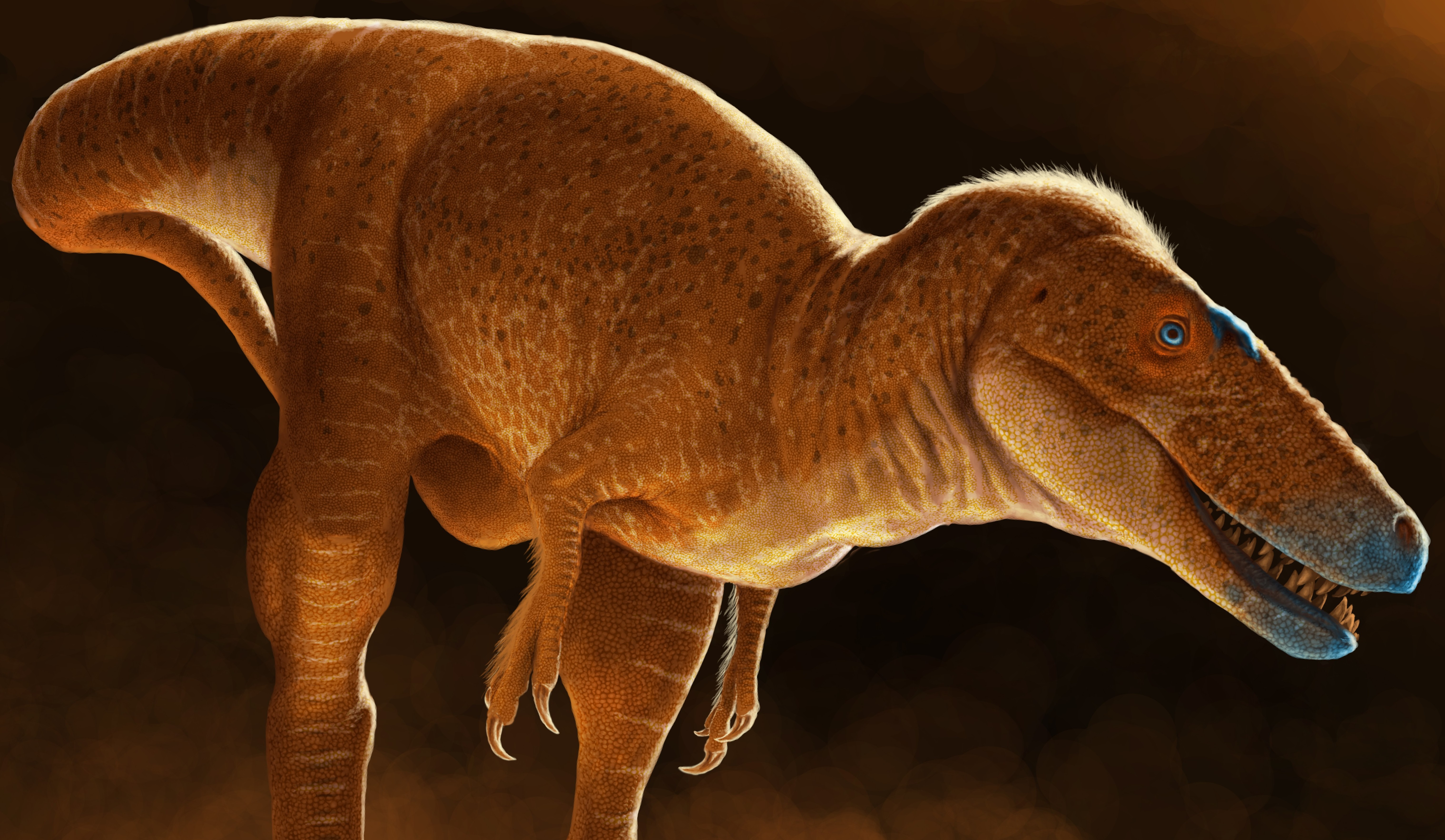
Artwork By Mark Witton
Nyasasaurus: Potentially the earliest known dinosaur or close ancestor, discovered in Tanzania. It bridges the gap between pre-dinosaur reptiles and true dinosaurs.
- Estimated at 2–3 meters long, making it larger than many early reptiles of its time.
- Fossils date to around 243 million years ago, placing it firmly in the Early Triassic.
- Its bones show features such as an elongated humerus, which are key indicators of dinosaur lineage.
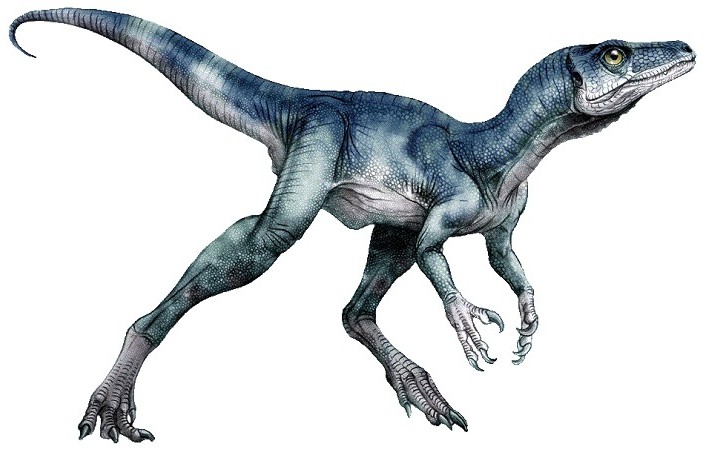
Artwork By Staff
Eoraptor: A small, swift predator from Argentina, often considered one of the very first dinosaurs.
- Lived about 231 million years ago in what is now the Ischigualasto Basin of Argentina.
- Its teeth were a mix of sharp and flat shapes, suggesting it ate both plants and small animals.
- Weighed only about 10 kilograms, allowing it to be extremely fast and agile while hunting or escaping danger.
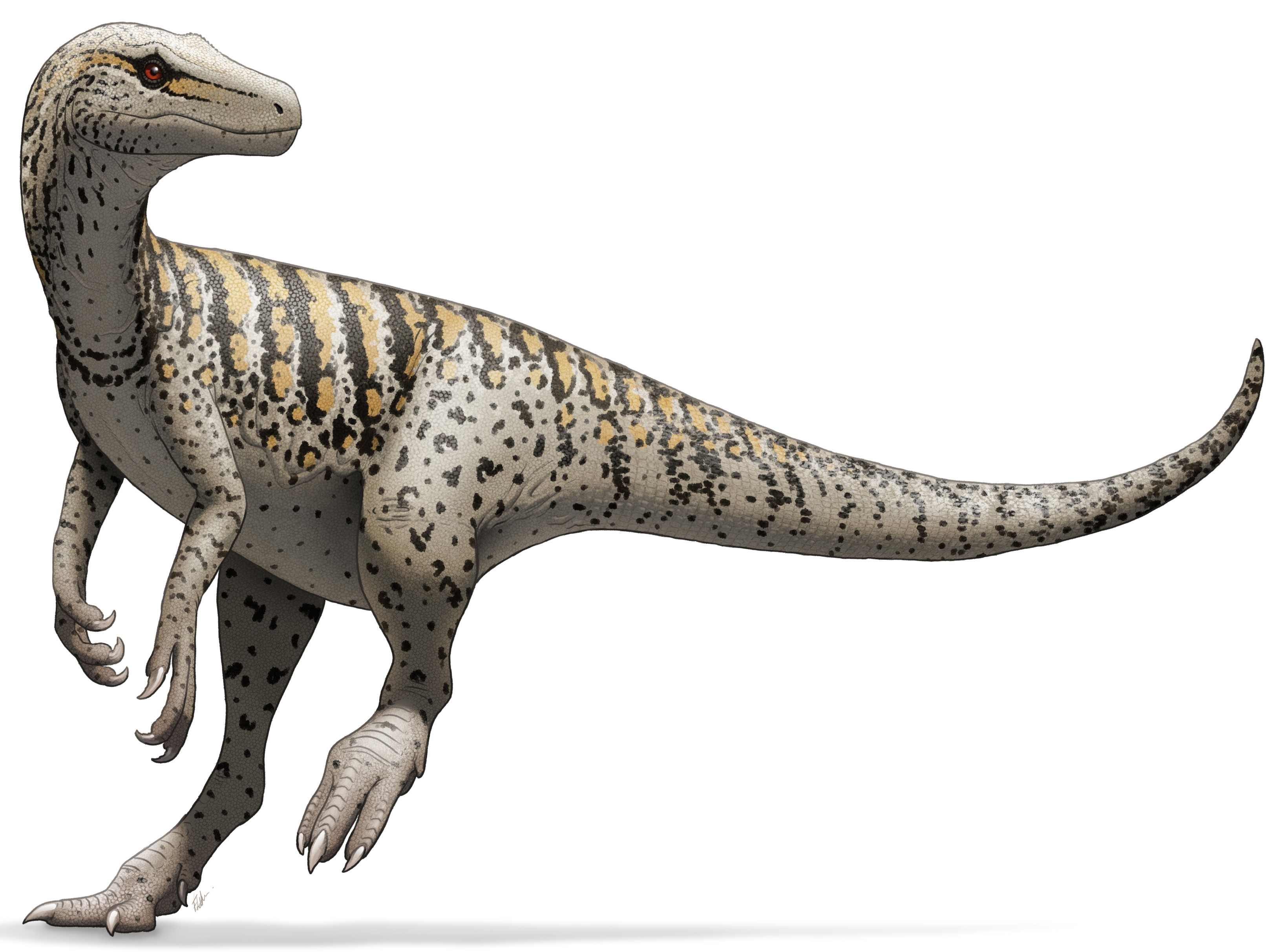
Artwork By Fred Wierum
Herrerasaurus: One of the earliest large carnivorous dinosaurs, found in South America.
- Lived about 231 million years ago, alongside some of the first herbivorous dinosaurs.
- Its skull joints allowed for a strong, slicing bite, useful for tearing into other reptiles of its time.
- Reached up to 6 meters in length, making it an apex predator in its ecosystem.
Middle Triassic Dinosaurs
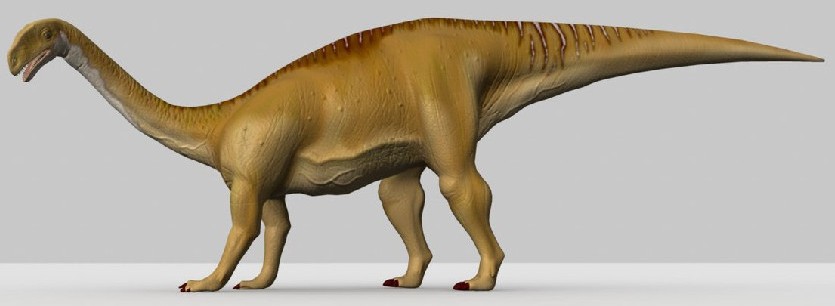
Artwork By PaleoArtist
Plateosaurus: An early long-necked herbivore from Europe, one of the first large plant-eaters.
- Lived about 214–204 million years ago and could reach 10 meters in length.
- Its long neck helped it browse plants at various heights, giving it a dietary advantage.
- Fossil beds contain hundreds of individuals, suggesting seasonal mass deaths, possibly from droughts.
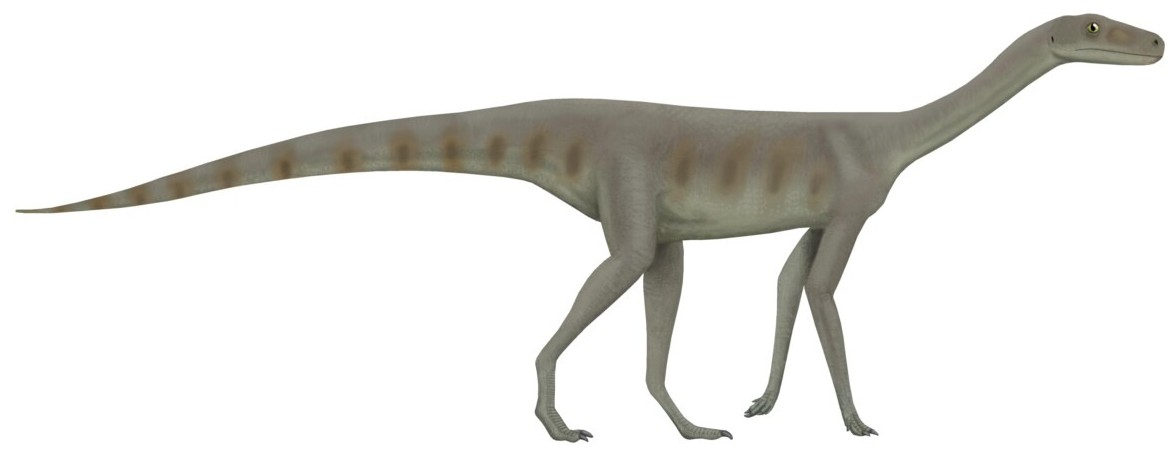
Artwork By Smokeybib
Asilisaurus: A close relative of dinosaurs (silesaurid) from Tanzania, not technically a dinosaur but part of their evolutionary story.
- Lived about 245 million years ago, predating true dinosaurs.
- Fossils suggest it walked on all fours but could also rear up to reach food.
- Likely ate plants and small insects, filling a niche similar to that of small herbivorous mammals today.
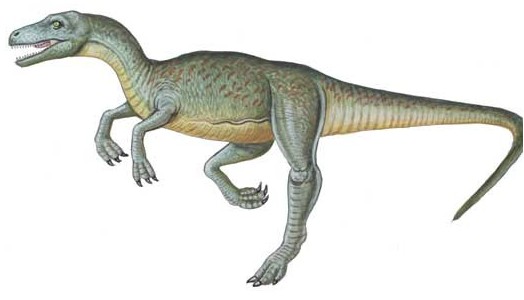
Artwork By PaleoArtist
Staurikosaurus: A small, carnivorous dinosaur from Brazil.
- Lived around 225 million years ago in a warm, semi-arid environment.
- Only about 2 meters long, it relied on speed to catch small reptiles and insects.
- Its long tail likely acted as a counterbalance, aiding in quick turns during pursuit.
Late Triassic Dinosaurs
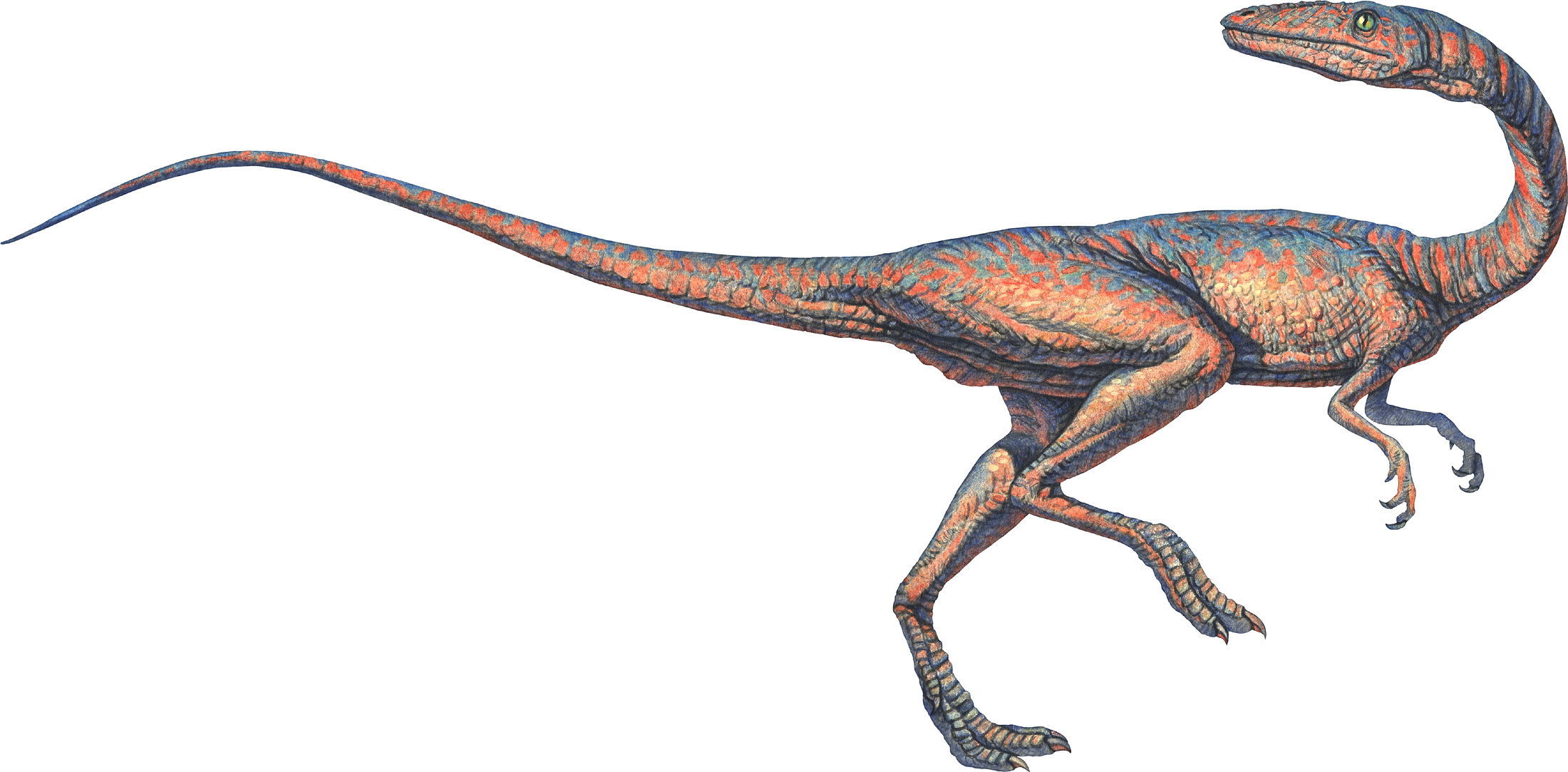
Artwork By CMStudio
Coelophysis: A fast, agile predator found in the USA, especially famous from Ghost Ranch in New Mexico.
- Lived about 210 million years ago and was one of the first dinosaurs to be widely distributed.
- Hollow bones kept its body light, making it an excellent runner and hunter.
- Mass grave sites suggest they may have lived in groups or that floods buried large numbers at once.
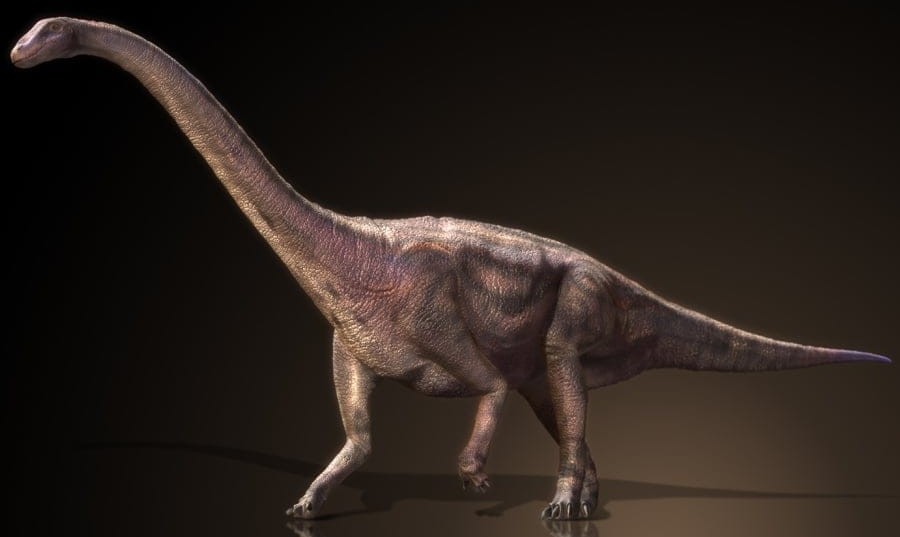
Artwork By Pablo Cid Asensio
Riojasaurus: A large, early long-necked herbivore discovered in Argentina.
- Lived about 225 million years ago and grew to around 10 meters long.
- Its long neck allowed it to graze over a wide area without moving much.
- Its heavy, sturdy limbs suggest it was slow-moving, relying on size for protection.
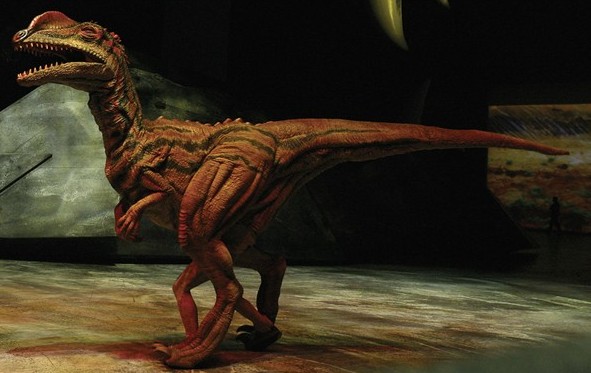
Artwork By Walking with Wiki
Liliensternus: A mid-sized carnivore found in Germany, related to later large predators like Dilophosaurus.
- Reached around 5–6 meters in length, making it one of Europe’s top predators at the time.
- Lived around 210 million years ago in floodplain environments.
- Its teeth and body structure indicate it hunted smaller dinosaurs and possibly scavenged.
Early Jurassic Dinosaurs
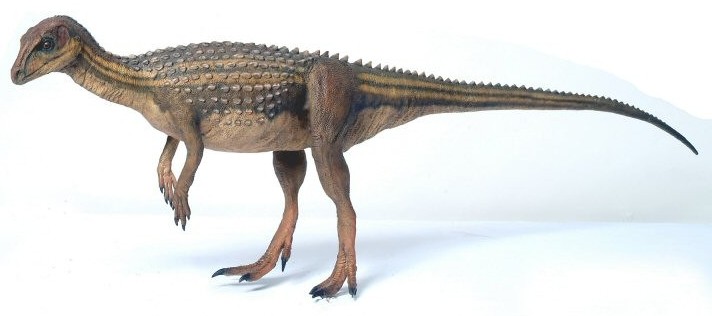
Artwork By PaleoArt
Scutellosaurus: A small, lightly armored herbivore discovered in Arizona, USA, considered one of the earliest armored dinosaurs.
- Lived about 196 million years ago in a dry, seasonal climate with open woodlands.
- Its back was covered in small bony plates (osteoderms), offering some defense against predators.
- At only about 1.2 meters long, it relied on speed and agility in addition to its armor for survival.
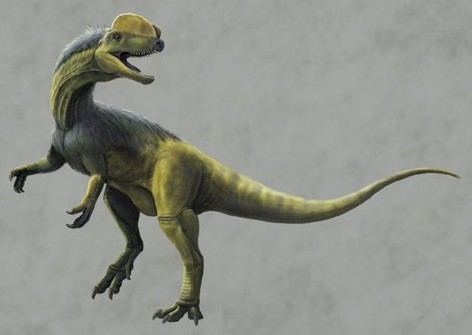
Artwork By Animals Wiki
Sinosaurus: A medium-sized carnivore found in Yunnan Province, China, related to later large theropods.
- Lived around 193 million years ago during a time when China’s landscape was dominated by lush river systems.
- Its skull shows crests above the eyes, possibly for display or species recognition.
- Reached lengths of about 5.5 meters, making it a significant predator of its ecosystem.
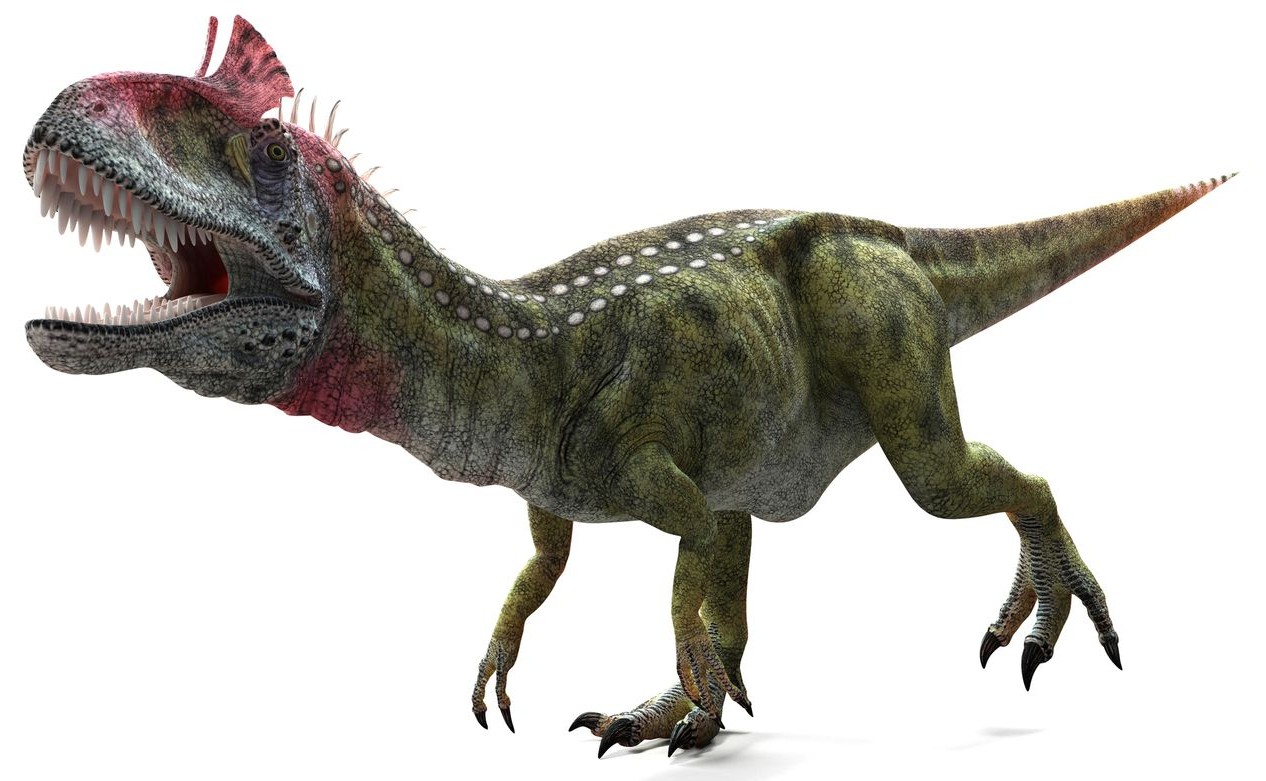
Artwork By SCIEPRO
Cryolophosaurus: A distinctive crested predator discovered in Antarctica, one of the southernmost dinosaur finds.
- Lived about 194 million years ago, when Antarctica was part of a warmer supercontinent.
- The unusual crest on its head may have been used for display or to attract mates.
- Reached about 6–7 meters in length, hunting other reptiles and early herbivorous dinosaurs.
Middle Jurassic Dinosaurs
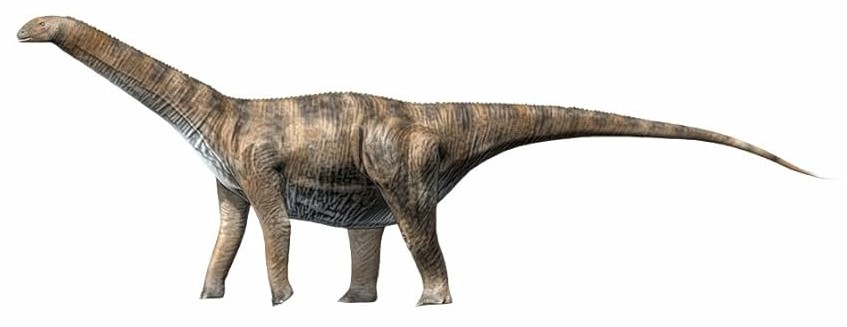
Artwork By Posterazzi
Cetiosaurus: A large, long-necked herbivore discovered in England, one of the earliest sauropods known.
- Lived around 168 million years ago in river valleys surrounded by lush forests.
- Could reach lengths of up to 15 meters, making it a giant for its time.
- Likely moved in herds for protection against large predators.
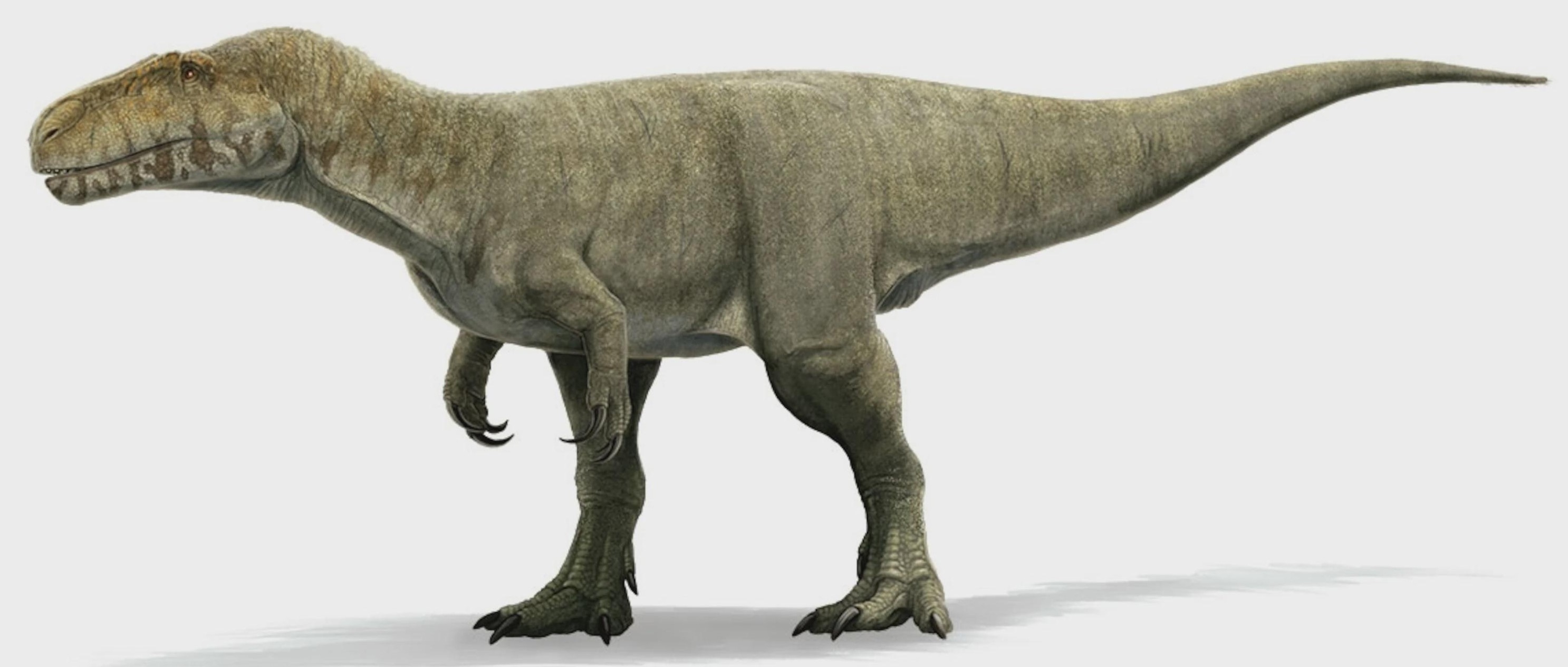
Artwork By Paleontology
Megalosaurus: A large carnivorous dinosaur from England, famous as the first dinosaur ever scientifically described.
- Lived around 166 million years ago in floodplains and woodland areas.
- Grew up to 9 meters long and had a powerful bite for taking down large prey.
- Its discovery in the early 1800s helped spark the formal study of dinosaurs.
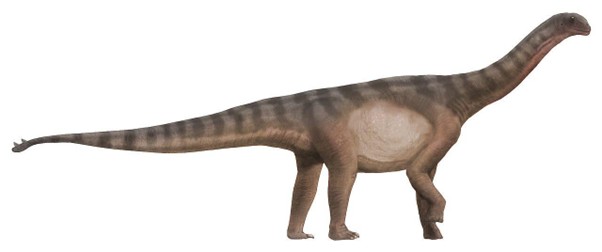
Artwork By Paleontology
Shunosaurus: A sauropod from Sichuan Province, China, notable for its club-like tail.
- Lived about 165 million years ago, browsing plants in subtropical environments.
- Its tail club was likely used as a weapon against predators.
- Grew to about 9–11 meters long, smaller than later sauropods but still imposing.
Late Jurassic Dinosaurs
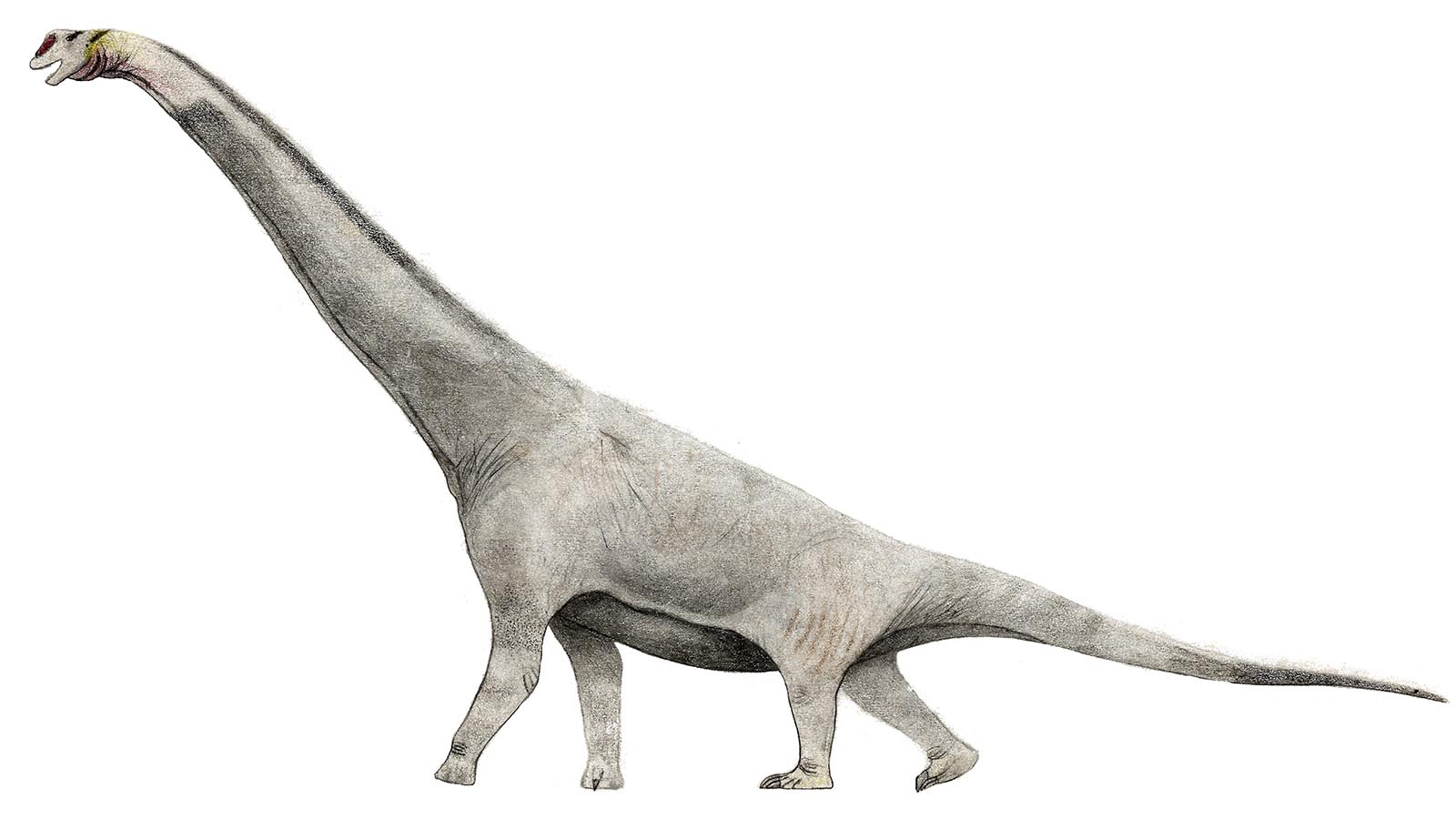
Artwork By Mark Mancini
Brachiosaurus: A towering sauropod found in North America, famous for its long neck and giraffe-like stance.
- Lived around 154 million years ago in floodplain and savanna-like environments.
- Reached up to 25 meters long and could browse vegetation far above other herbivores’ reach.
- Its front legs were longer than its back legs, giving it a steeply angled body.
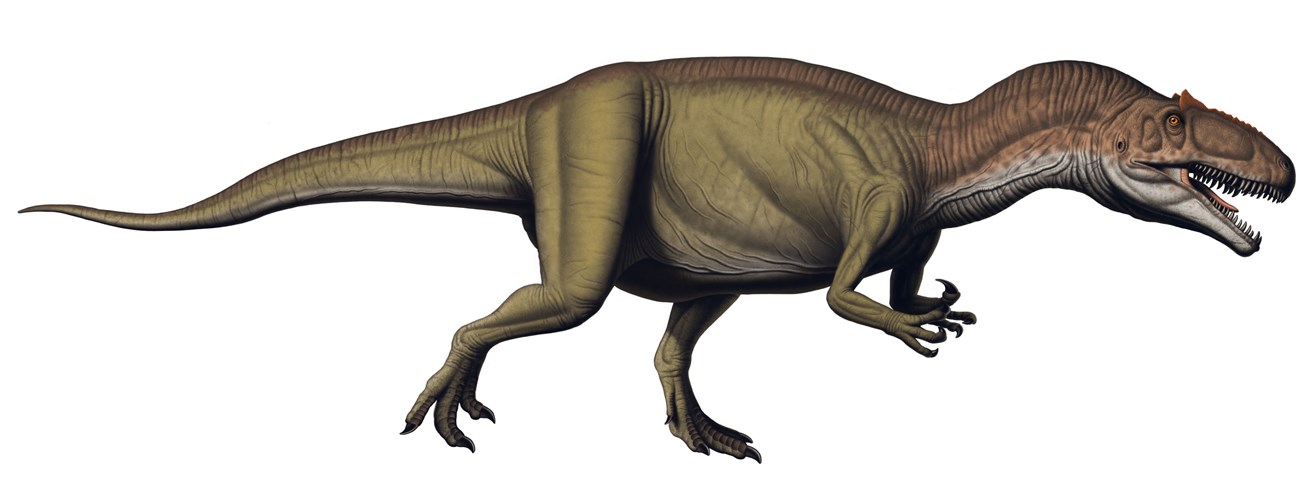
Artwork By Bob Walters Tess Kissinger
Allosaurus: The dominant predator of Late Jurassic North America, discovered in Utah and Colorado.
- Lived around 155–145 million years ago and hunted large prey such as stegosaurs and young sauropods.
- Its skull was lighter and more flexible than that of modern predators, allowing fast strikes.
- Fossil evidence suggests it sometimes hunted in groups or scavenged.
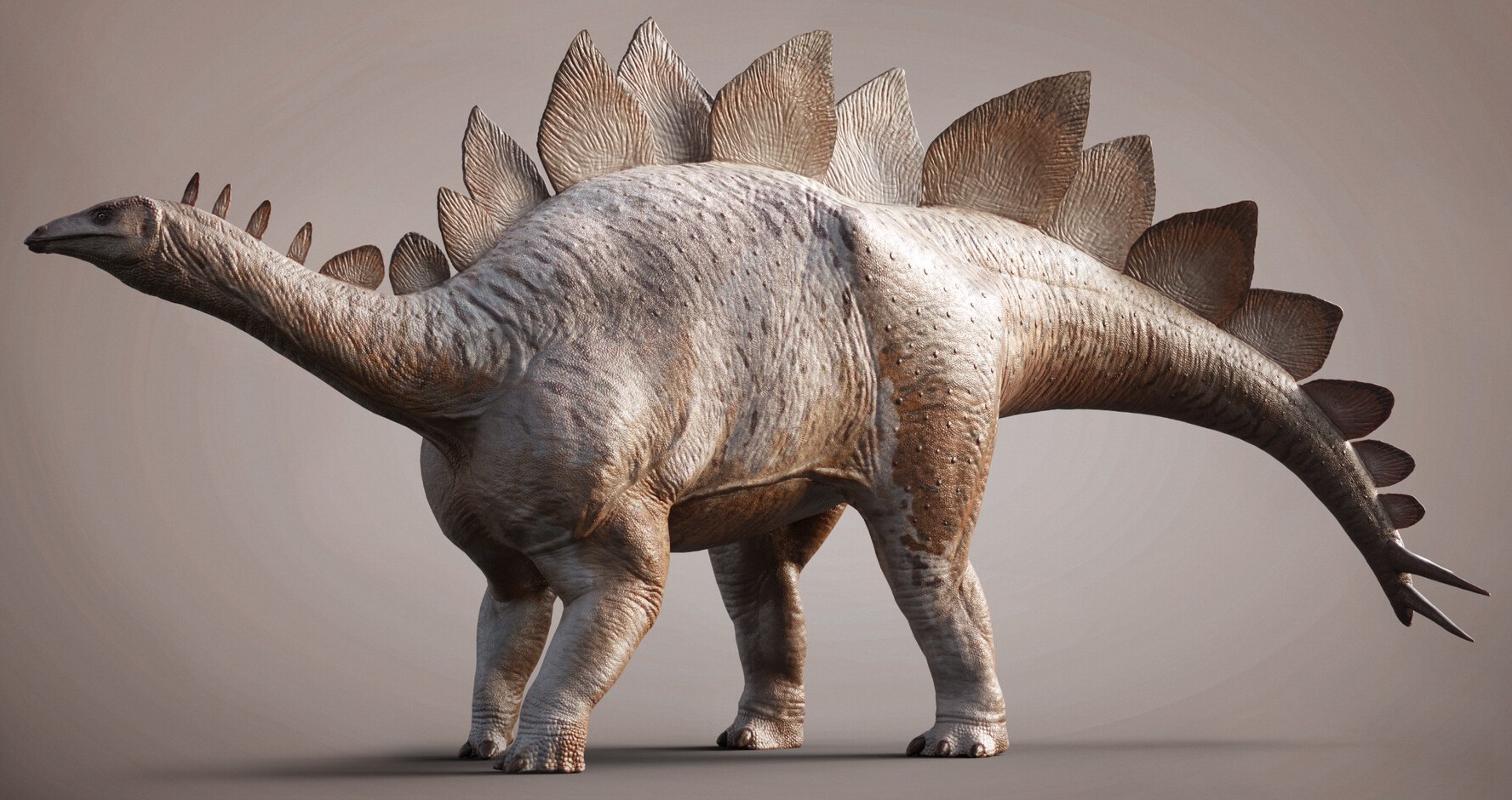
Artwork By Matt Dempsey
Stegosaurus: A heavily plated herbivore found in North America, known for its iconic back plates and spiked tail.
- Lived around 155 million years ago in semi-arid environments with wet and dry seasons.
- The plates may have been used for display, temperature regulation, or intimidation.
- Its spiked tail, or “thagomizer,” could inflict serious injury on predators.
Early Cretaceous Dinosaurs
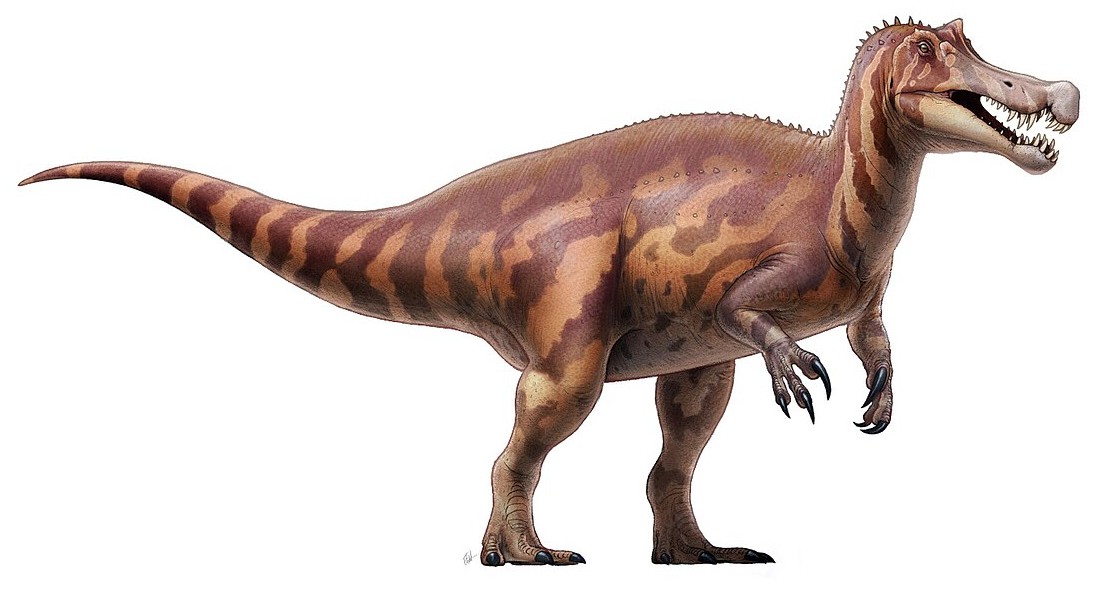
Artwork By Wikipedia
Irritator: A spinosaurid carnivore discovered in Brazil, recognizable for its elongated snout and crocodile-like teeth.
- Lived around 110 million years ago in a warm, wet environment filled with rivers and lakes.
- Its long jaws and conical teeth were ideal for catching fish, though it may have also eaten small dinosaurs.
- The name “Irritator” comes from the frustration scientists felt when they discovered the fossil had been altered by fossil dealers.
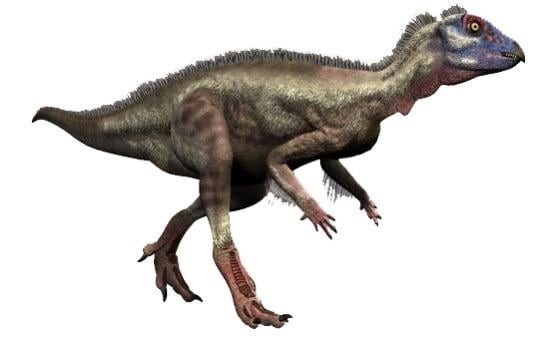
Artwork By Brenkir Studios
Hypsilophodon: A small, fast herbivore from the Isle of Wight, England, known for its agility.
- Lived about 125 million years ago in forests and open plains with a mild climate.
- Its lightweight frame and long legs allowed it to sprint quickly to escape predators.
- Had sharp beak-like teeth for cropping plants and cheek teeth for chewing.
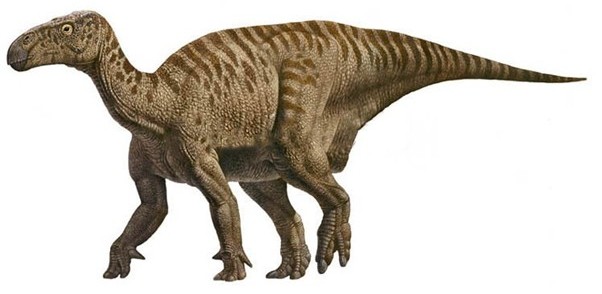
Artwork By Fandom
Iguanodon: A large herbivore found across Europe, including Belgium and England, famous for its thumb spike.
- Lived around 126 million years ago in floodplains and fern-covered landscapes.
- The thumb spike was likely used for defense against predators or for fighting other Iguanodons.
- Could walk both on two legs for speed and on four for stability while grazing.
Middle Cretaceous Dinosaurs
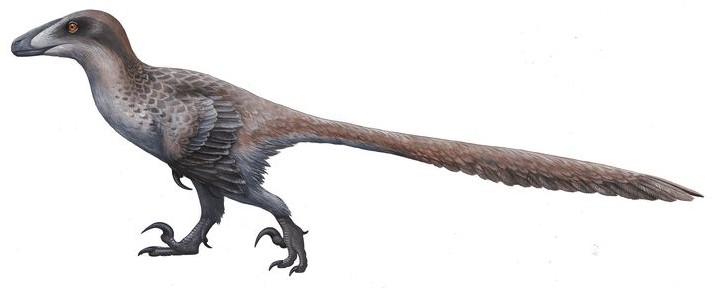
Artwork By Steven A Guglich
Deinonychus: A swift, sickle-clawed predator discovered in Montana and Wyoming, USA.
- Lived about 115–108 million years ago in river valleys with warm, seasonal climates.
- Its sickle-shaped claw on each foot was used to slash or pin down prey.
- Fossil evidence suggests it hunted in coordinated packs, possibly taking down larger prey.
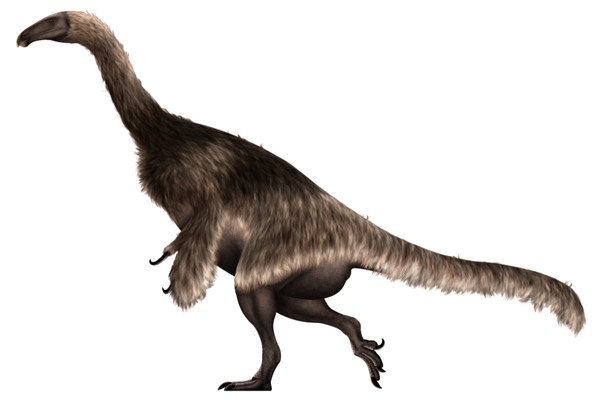
Artwork By Fandom
Nothronychus: A bizarre plant-eating theropod found in New Mexico, USA, with long claws and a pot-bellied body.
- Lived around 91 million years ago in semi-arid landscapes with patches of forest.
- Its long claws were likely used to pull down vegetation rather than for hunting.
- Belongs to the therizinosaur group, known for their unusual herbivorous adaptations.
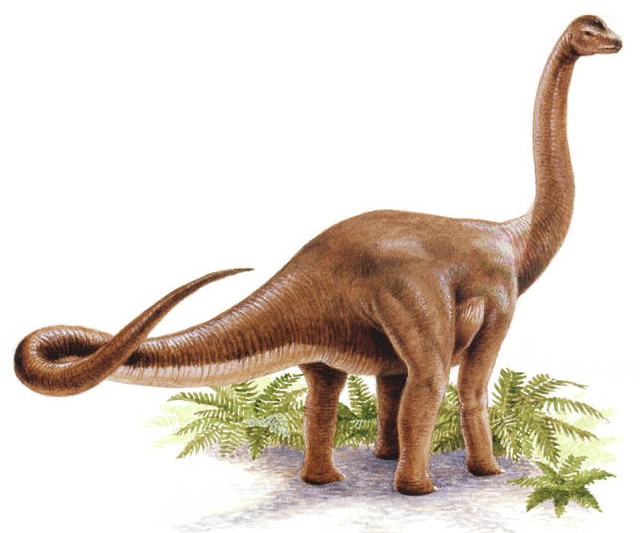
Artwork By SciencePhotoLibrary
Austrosaurus: A massive sauropod from Queensland, Australia, and one of the largest dinosaurs in the region.
- Lived around 95 million years ago in coastal floodplains and open woodlands.
- Could exceed 20 meters in length, browsing on the tallest vegetation available.
- Fossils are fragmentary, but enough remains to show it was a giant of its time.
Late Cretaceous Dinosaurs
Artwork By Roger Harris
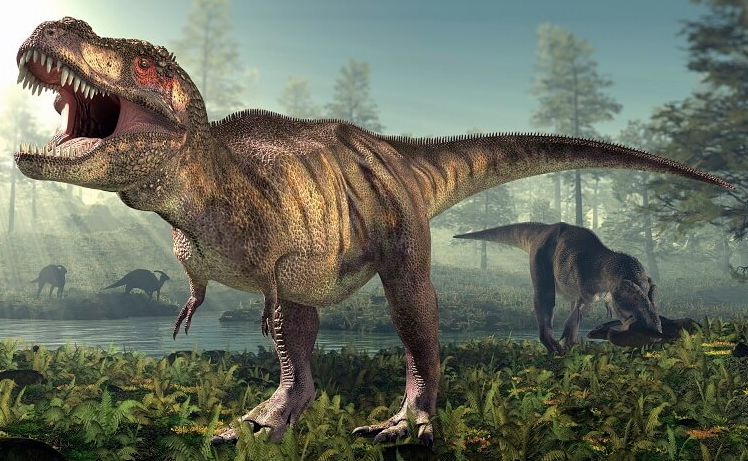
Tyrannosaurus Rex: One of the most famous predators in history, discovered across western North America.
- Lived around 68–66 million years ago in lush coastal plains with rivers and forests.
- Its bite force was among the strongest of any land animal to ever live.
- Could reach over 12 meters in length and weigh up to 9 tons.
Artwork By Pxltiger
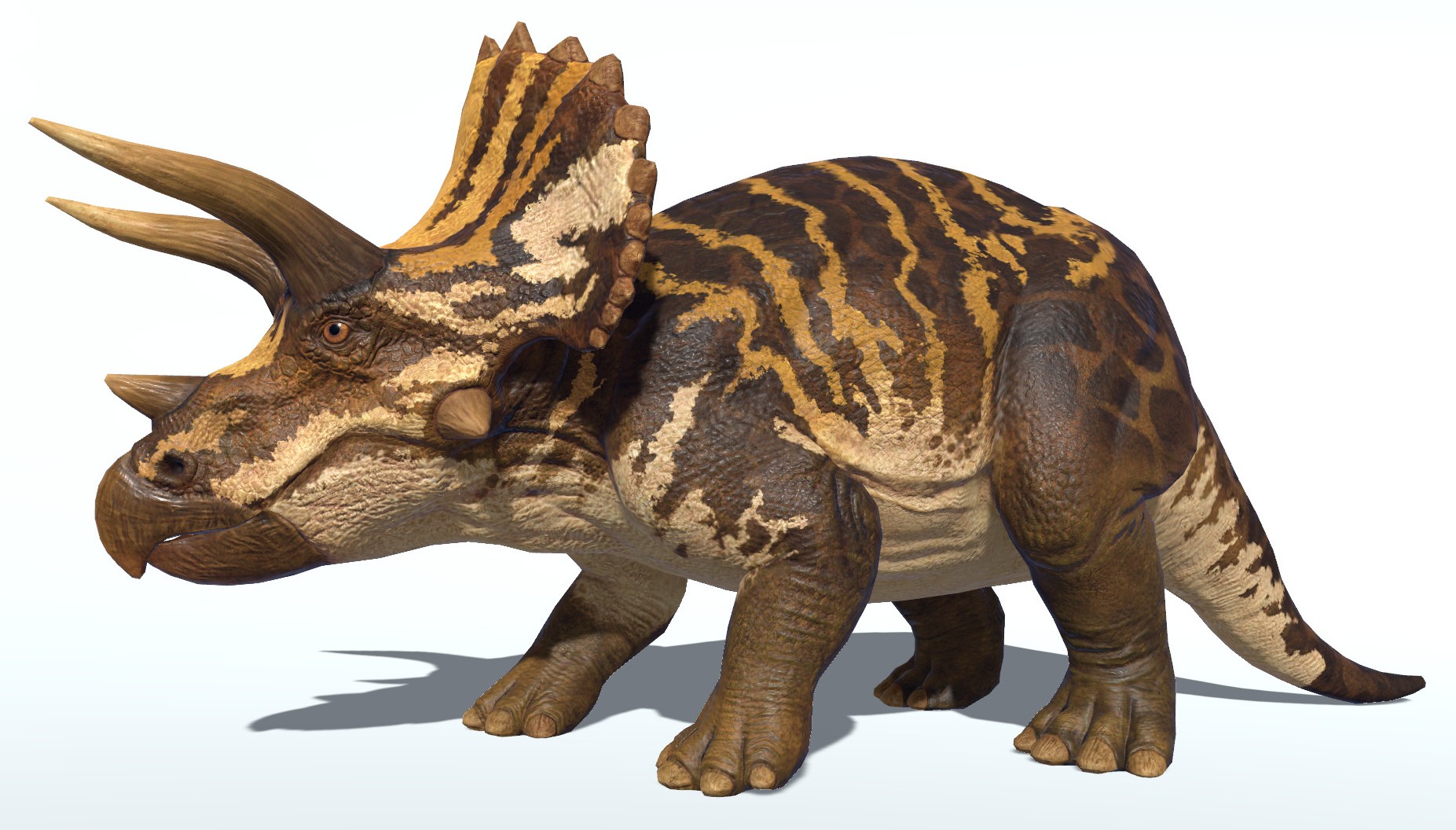
Triceratops: A three-horned herbivore found in North America, easily recognized by its large frill and horns.
- Lived around 68–66 million years ago in diverse environments ranging from forests to open plains.
- Its horns could be used for defense or combat between rivals.
- Despite its bulk, it may have been surprisingly quick in short bursts.
Artwork By Brett Rosenblum
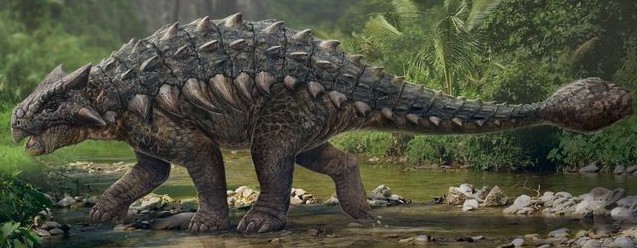
Ankylosaurus: A heavily armored dinosaur found in North America, equipped with a massive tail club.
- Lived around 68–66 million years ago in semi-tropical environments with abundant vegetation.
- Its body was covered in bony plates and knobs, offering protection from predators like T. rex.
- The tail club could break bones with a single swing.